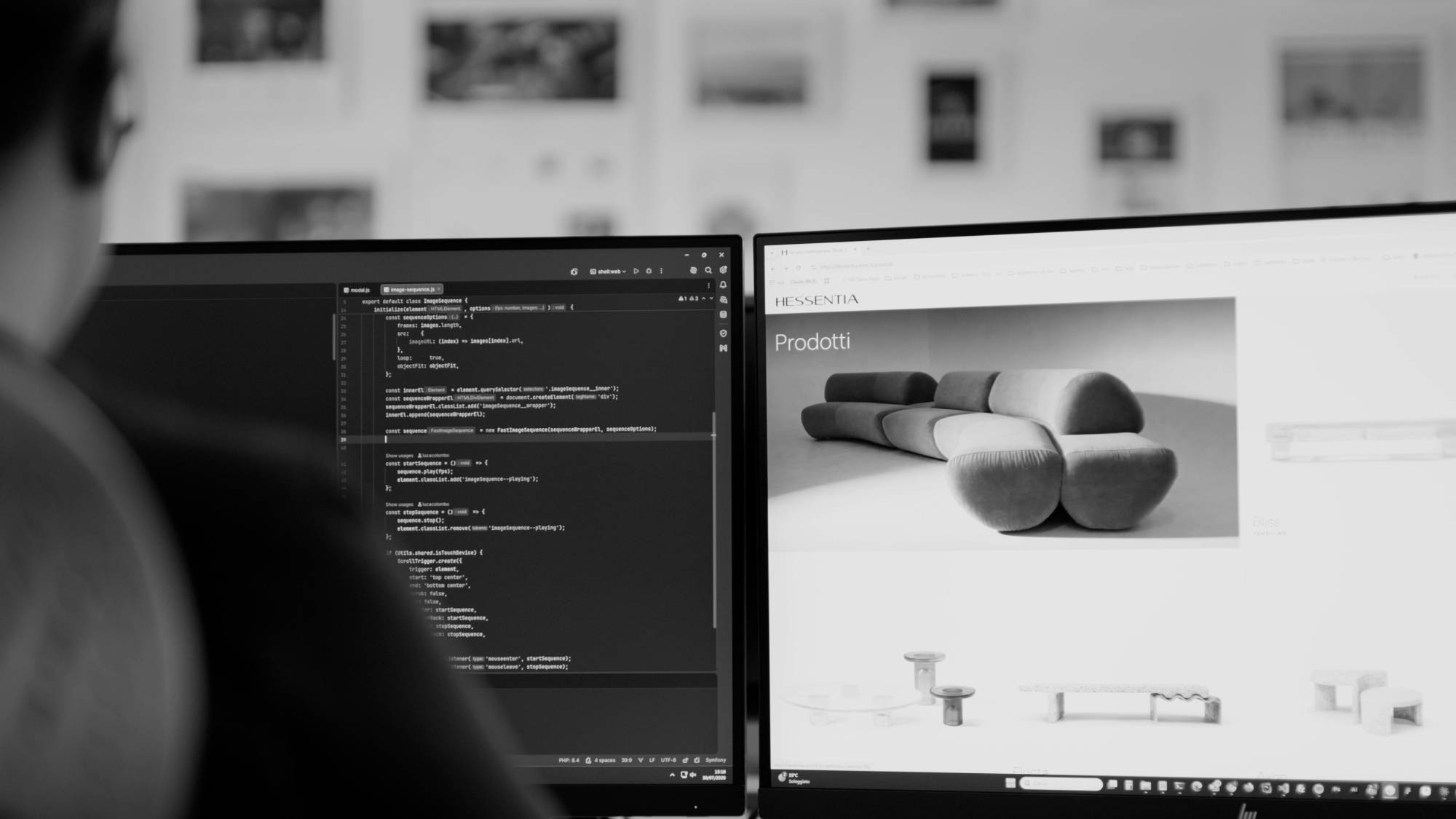
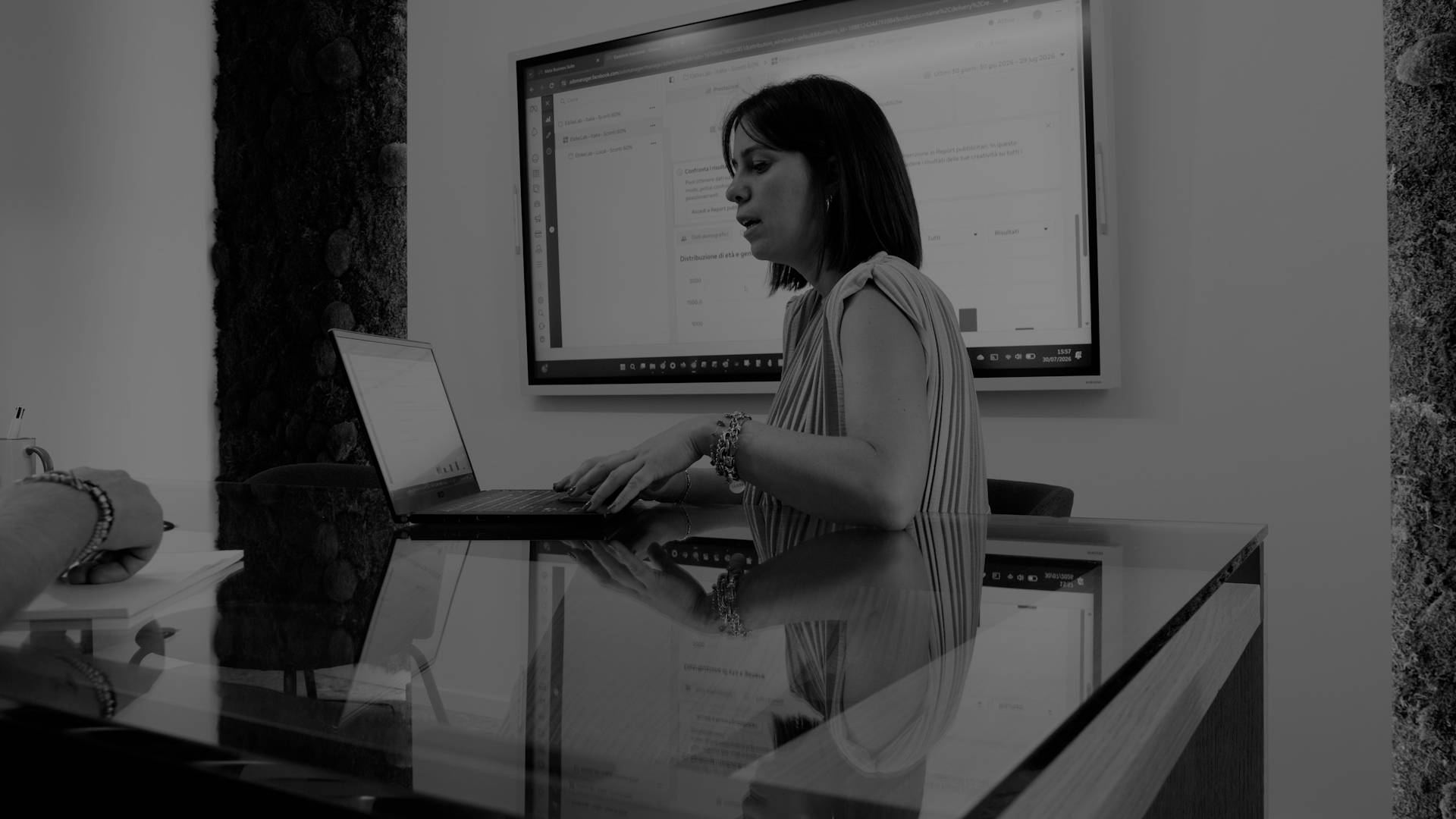
The typical problem with multilingual websites is not the launch, but the months that follow: a news item published only in Italian, a product updated in one language and not in the others. NewVisibility has its in-house team in Cantù, in the province of Como, with development, photo, video and marketing: you can meet us in person and have a single point of reference for all the languages of your website.
Why a single partner makes the difference
We develop with an open source enterprise CMS and host the site on servers managed by NewVisibility: you see which pages exist in each language, work in draft and publish the versions together. If the website is connected to a management system, CRM or PIM, the data arrives already synchronised in all languages.
Concrete facts you find with us
Five reasons to choose an agency close to you.
Looking for a partner for your languages?
Write to us from Como, Brianza, Milan or Lugano: we will analyse your multilingual website and propose a method to keep it aligned.
A multilingual website is structured by giving each language its own page tree, dedicated URLs and translated metadata, linked together. Languages, paths, selector and SEO signals are defined before design: in Cantù we do this with companies in Como, Brianza and Milan, so the site stays orderly when you add a market.
In the CMS, translations are managed by creating a version of each page in every language, with its own text, URL and meta tags. In our enterprise CMS you switch between languages from the same panel and see what is missing; from Cantù we support companies in Como and Milan in setting up translator permissions.
For a business website it often makes sense to combine them: AI translation speeds up the first draft, while professional review ensures terminology, tone and accuracy. Keywords should be researched for each country, not translated. With companies between Como, Milan and Lugano we define the mix case by case.
SEO for a multilingual website requires separate URLs for each language, hreflang tags between equivalent versions, localised content and translated meta tags. It is an important step for companies between Como, Milan and Lugano addressing several markets: this way Google shows each user the right version.
In a CMS, roles and permissions are managed by assigning each user a profile that defines which sections, languages and media they can view, edit or publish. With an enterprise CMS, like those we develop in Cantù for companies in Como and Milan, they are native and suit teams with several editors and branches.