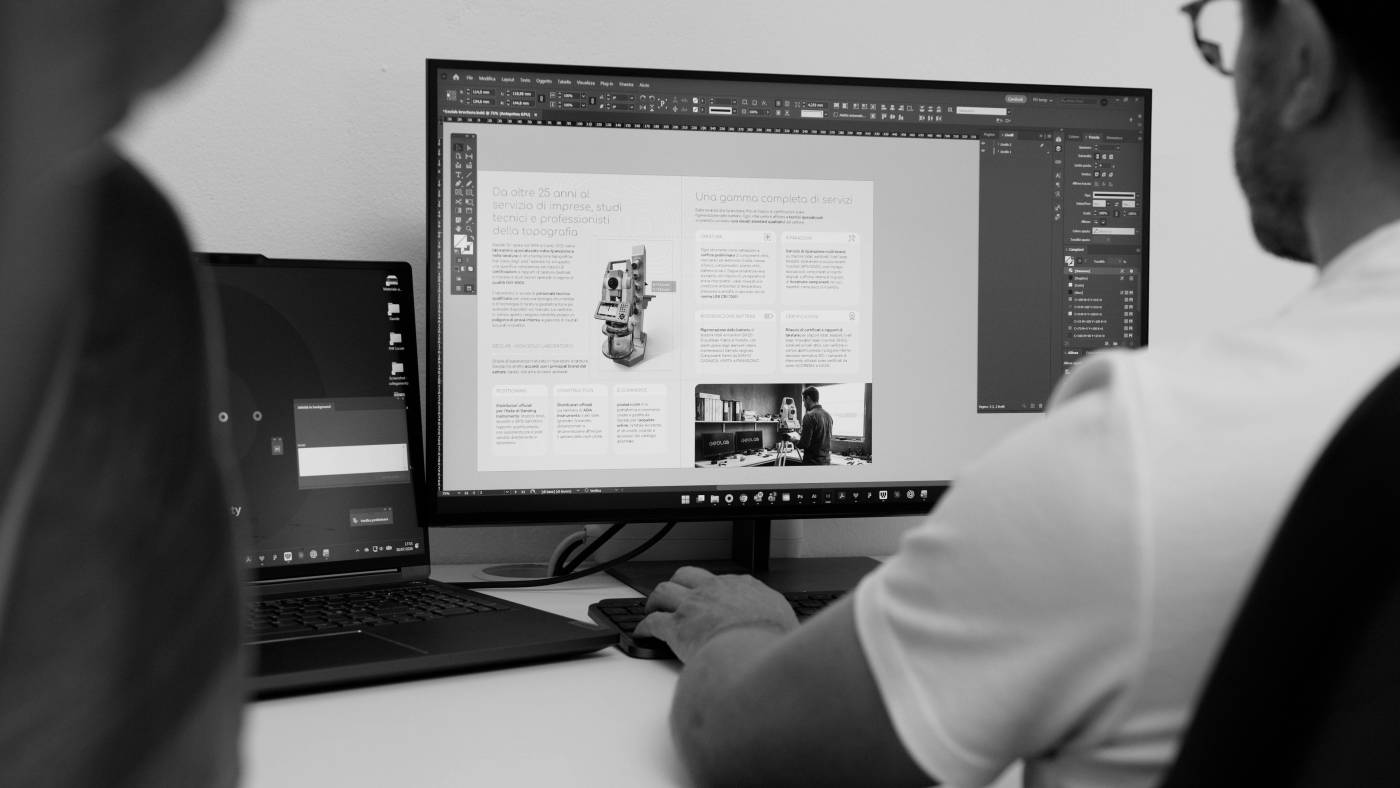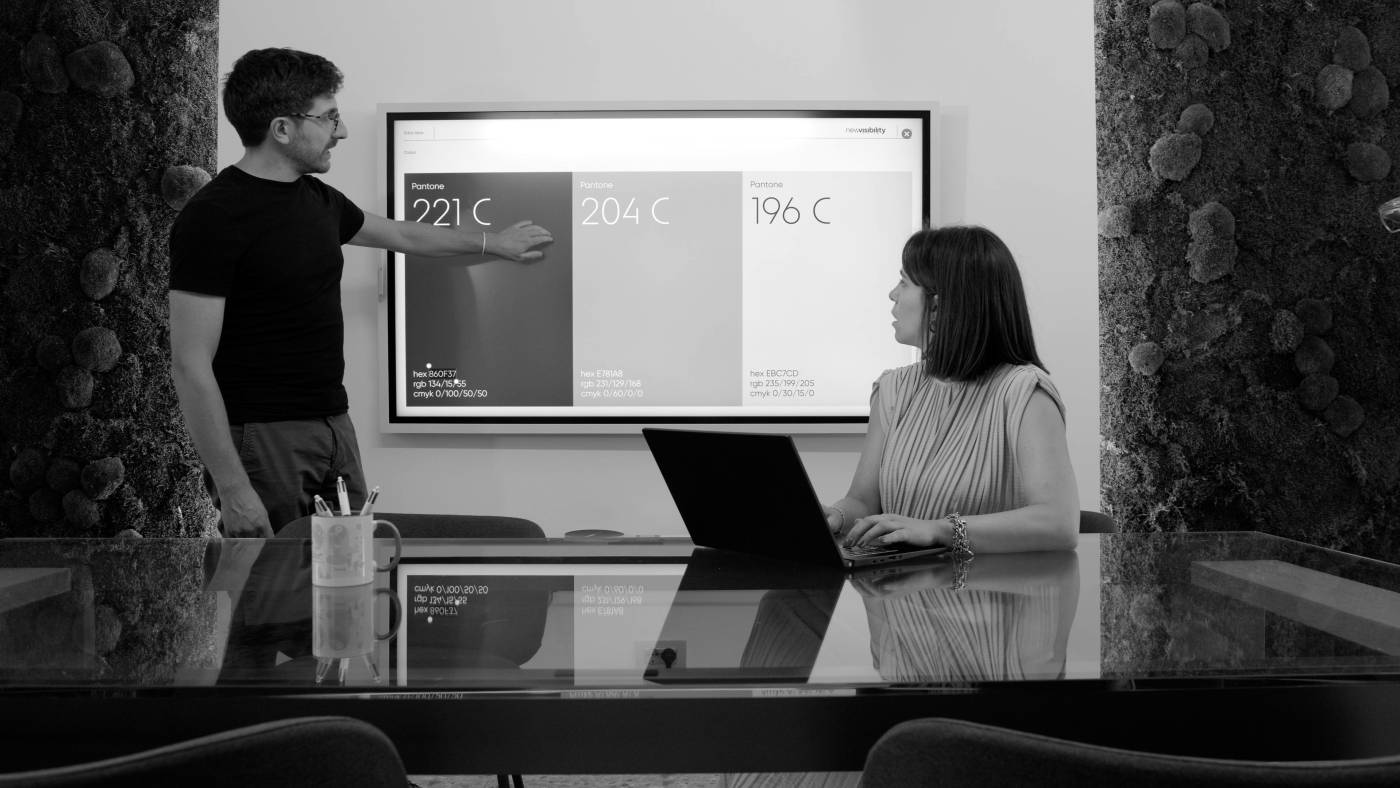


A good structure comes from classifying the data, not from layout. If families and categories are defined upstream, chapters, indexes and sections are built automatically and stay orderly even as the range grows. We follow this work in Cantù, in the province of Como, with companies in Como, Brianza and Milan.

How to organise the catalogue
Every structural choice depends on how your customers think.


- By product family
- By line or collection
- By area of use
- With index and cross-references

To make the most of photos in an automatic catalogue you need images consistent in lighting and framing, linked to each product in the data. In Cantù, in the province of Como, we can produce them in-house and the system inserts them in the same style on every page.
A catalogue for a single product line is created by filtering the data: the system extracts only that line's products and composes them with the same template. For companies in Como, Brianza and Milan the same source feeds both the general catalogue and dedicated catalogues.
To prepare a catalogue for trade fairs and events you select the products, choose format and languages and generate a targeted document. Because it comes from the data, for companies between Como, Milan and Lugano it can be regenerated up to the last moment with aligned information.
To translate product data just once, each text is saved in its language alongside the original data. Price lists, sheets and website draw on the same translation, with no copy and paste: a useful method for companies between Como, Brianza and Milan with multilingual catalogues.
You can download price lists and sheets from the company website on product pages or in a documents section, public or reserved for registered users. On the websites we build in Cantù for companies in Como and Brianza, the files are generated from the same data as the website and stay up to date.