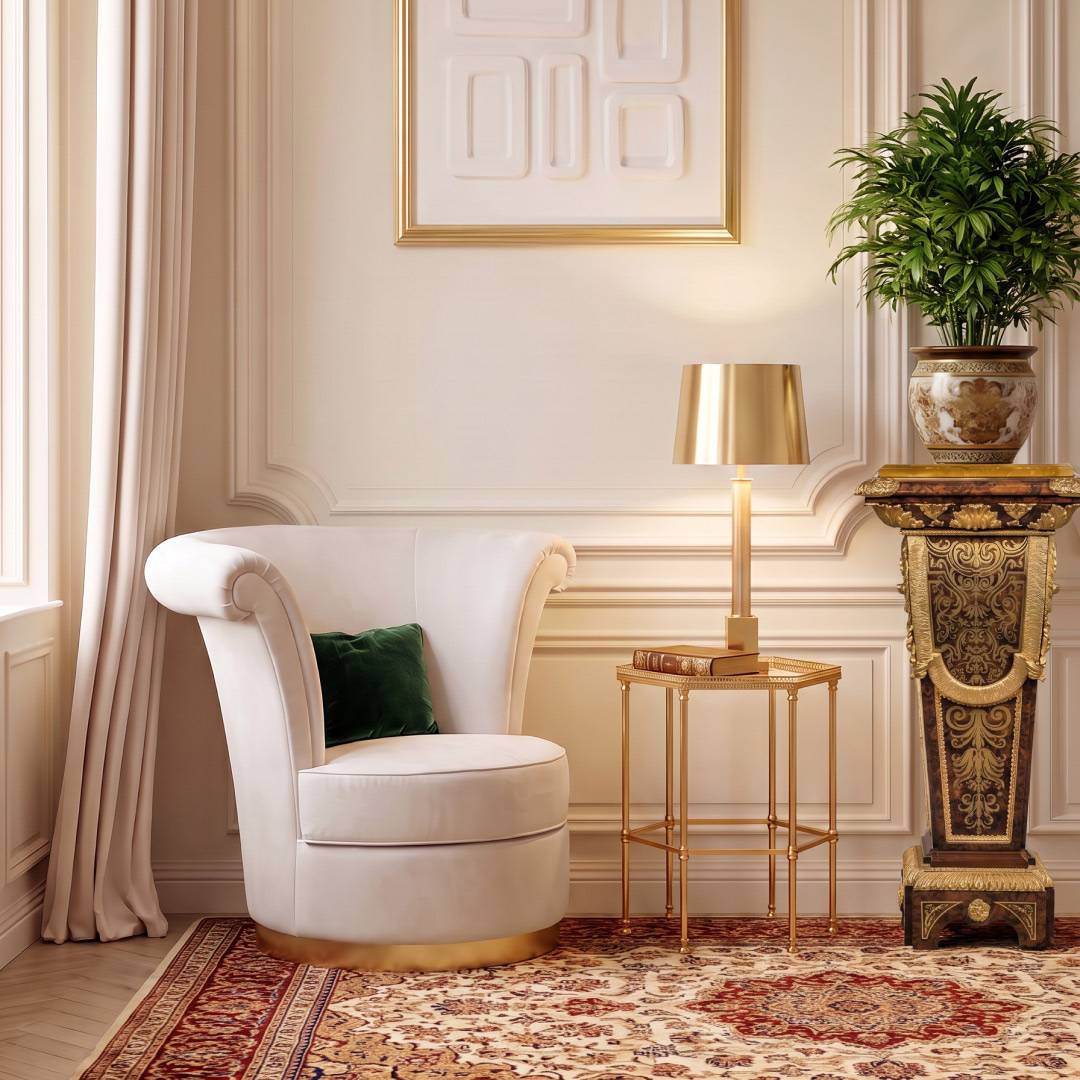
The best social media content for a furniture company has a clear goal and shows what makes the product unique: room settings, materials, craftsmanship, completed projects. We organise it into regular features within an editorial plan consistent with your sales calendar, so every post supports collections, showrooms, trade fairs and events.
What to post on furniture social media
Some of the regular features we often suggest to furniture companies, to be adapted to channels and audience. The full method is described on the social media management page.


- Interiors and room settings
- Materials, finishes and details
- Making-of and craftsmanship
- Completed projects
- Showrooms, trade fairs and events
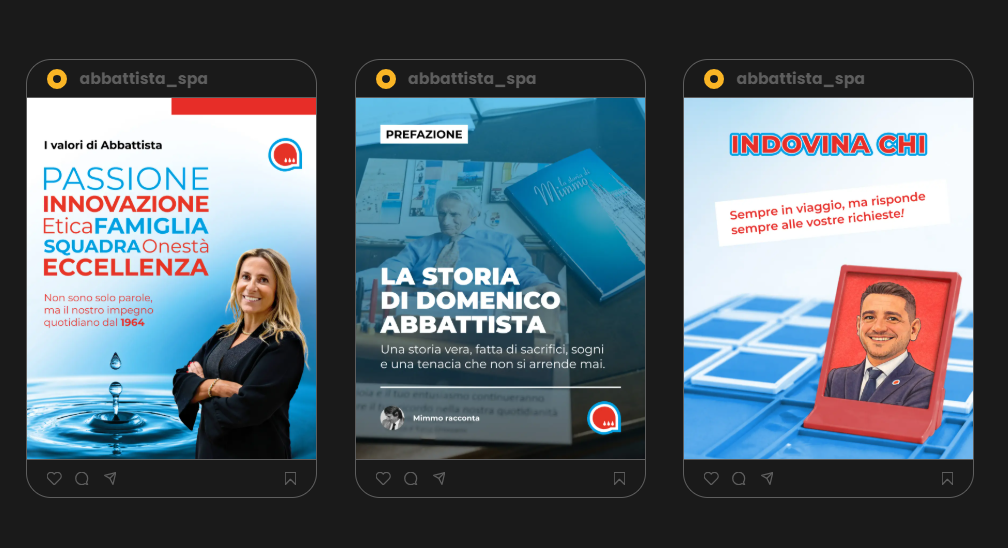
Social media for furniture: selected work
Projects where we handled the social media strategy of furniture companies.
Want a content plan for your furniture brand's social media?
Write to us: from Cantù we work with companies in Como, Brianza, Milan and Lugano.
Social media reels and videos for furniture start from footage planned in vertical format: details of materials, interiors in motion, making-of. In Cantù our videomakers and social media managers work in the same studio, so filming is designed from the outset for the editorial plan and the different formats.
To promote trade fairs and new furniture collections on social media, a three-stage story within the editorial plan works well: previews and invitations before, stories and live content during, recap reels and in-depth posts after, coordinated across Instagram, LinkedIn and your other channels.
Choose a social media agency for furniture by checking whether it brings strategy, graphic design, photo and video production and analytics together in one team, and whether it knows how to present highly visual products. NewVisibility is based in Cantù, in the province of Como, and works with companies in Brianza, Milan and Lugano.
The most common social media mistakes for furniture companies are too many poorly maintained channels, an inconsistent feed, photos that do not do justice to materials and finishes, neglected comments and messages, and no measurement of results. Starting from analysis, goals and a coherent visual identity avoids most of these problems.