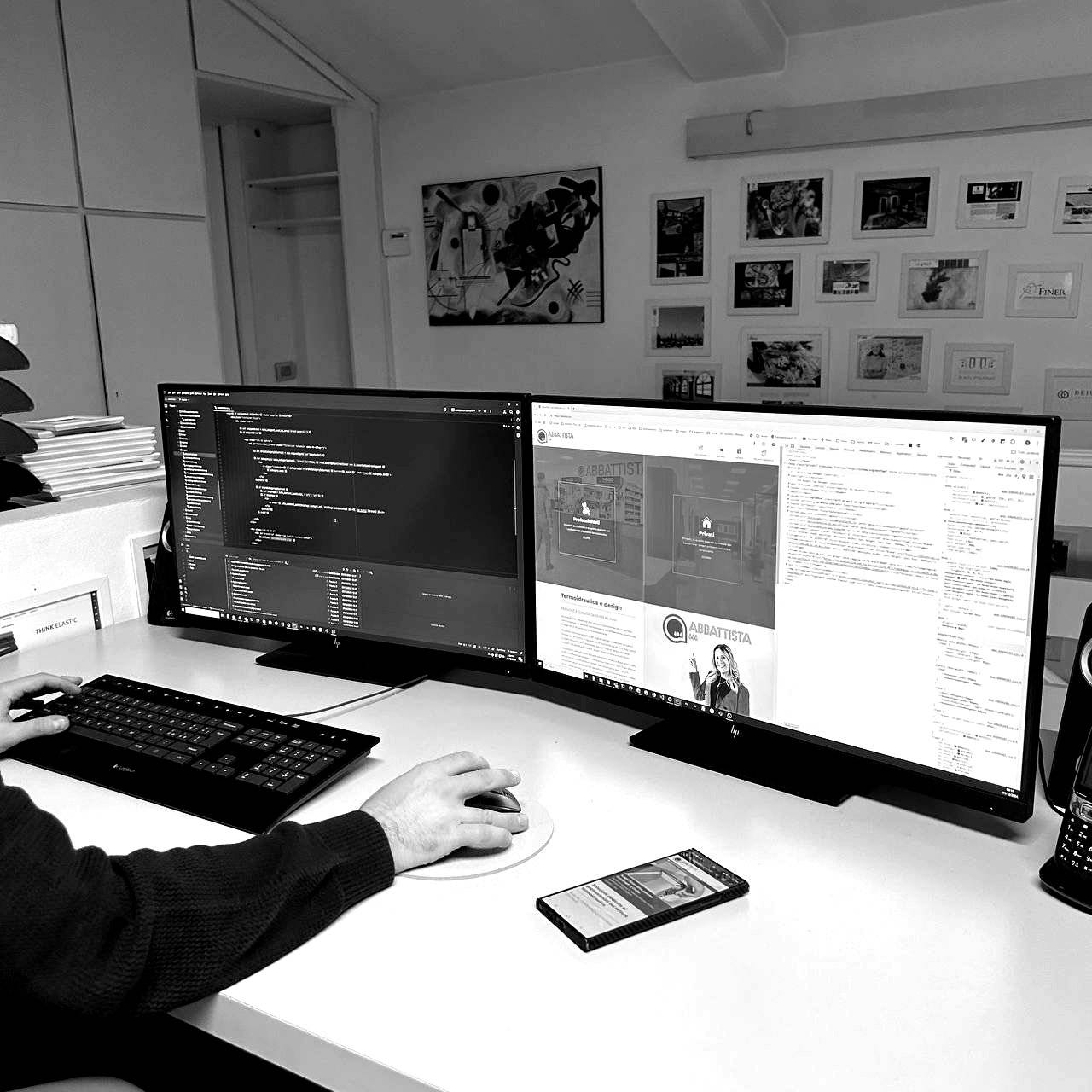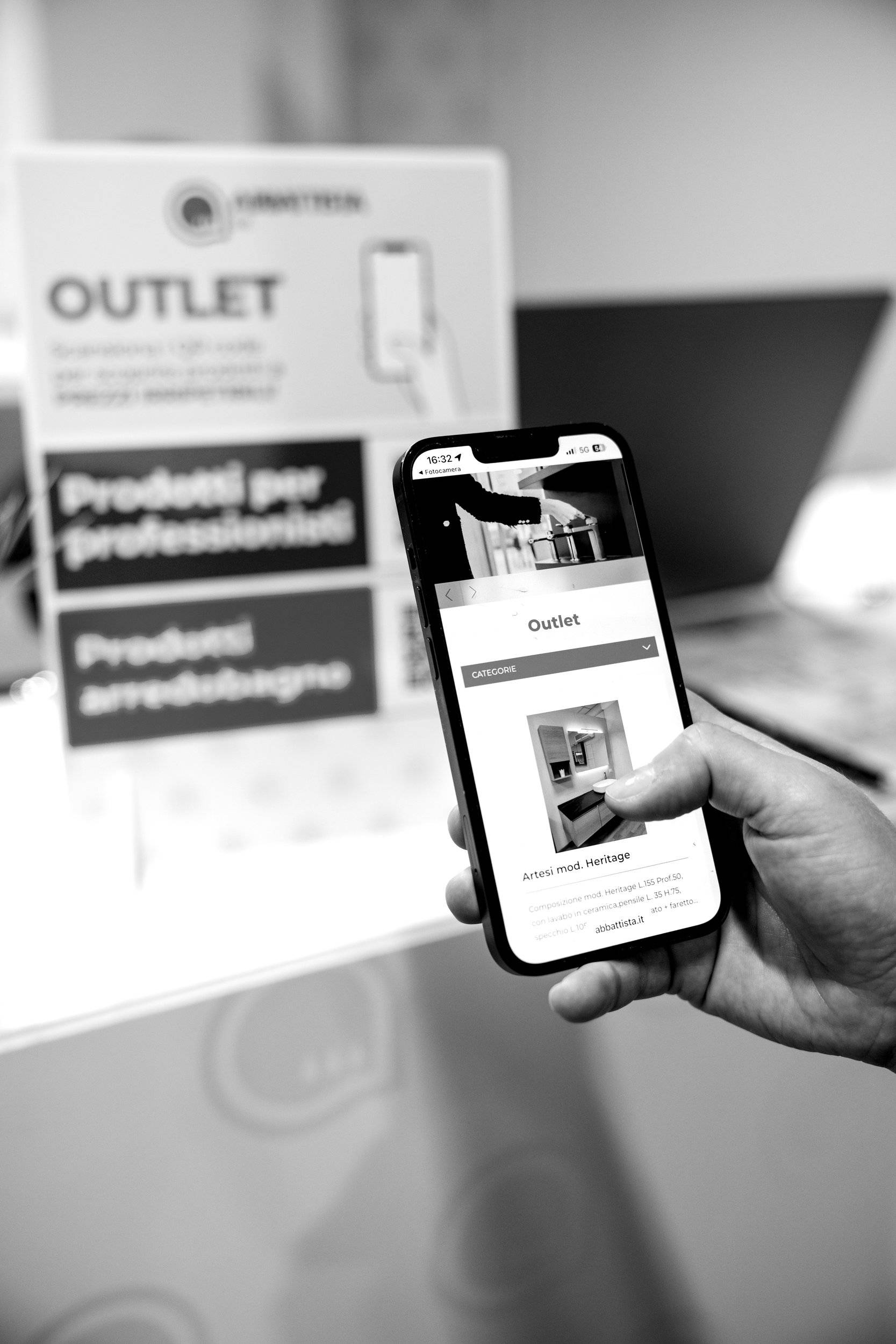
To present furniture collections and catalogues online you need product pages rich in images, well-organised variants and finishes, simple filters and downloadable sheets for those working on projects. Everything should be updated yourself from a CMS, without rebuilding the catalogue every new season.
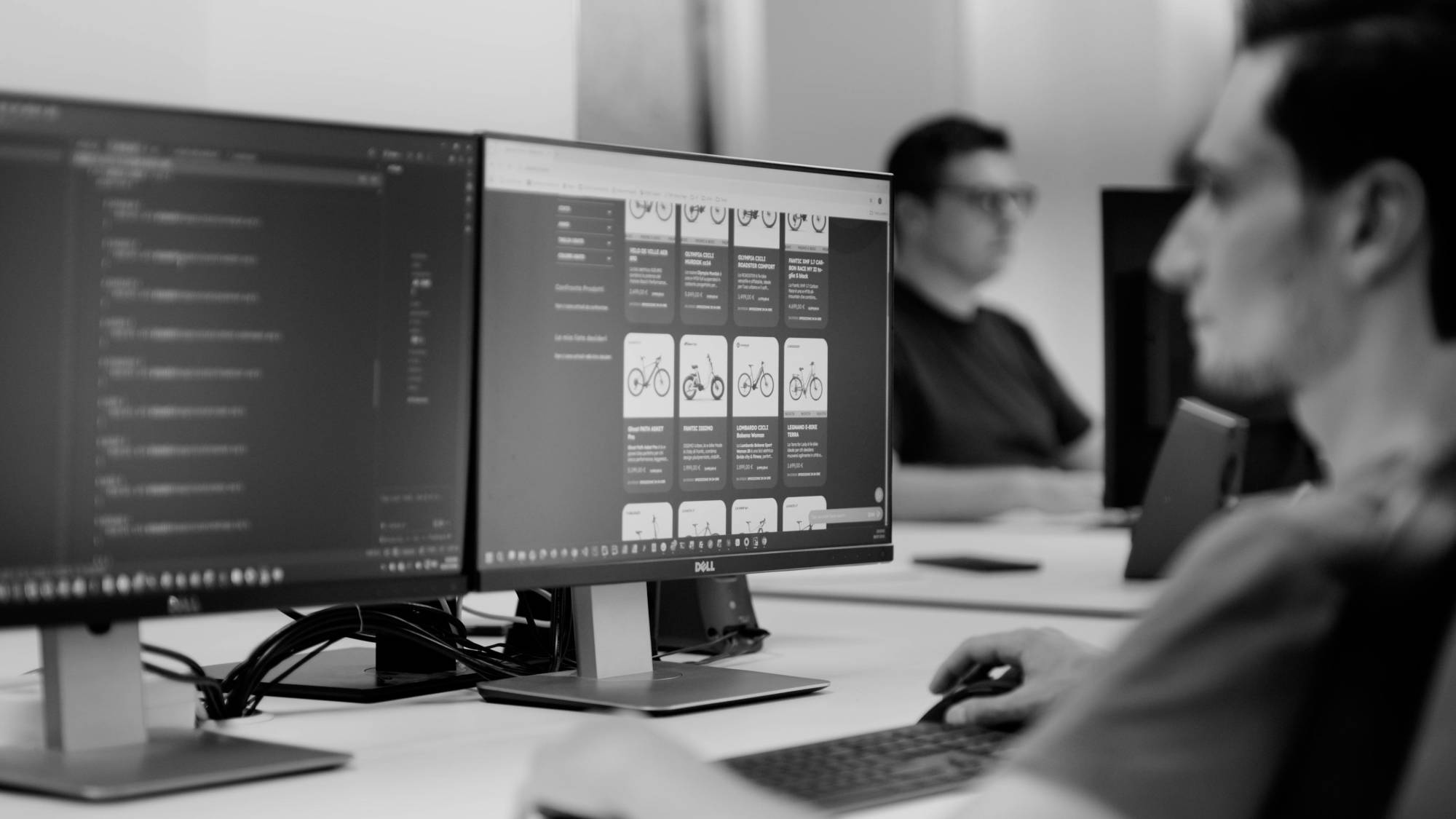
From the printed catalogue to the website
We organise collections by family, room or designer, depending on how your customers look for them. Each product can have a gallery, materials, finishes and technical documents. If the data comes from a management system or a PIM, we connect it to keep the catalogue consistent. See also how we work on websites for furniture companies.


What to include in each product page
The information architects, dealers and customers look for before getting in touch.
Collections presented online
Some furniture company websites built around their collections.
Would you like to take your catalogue online?
Send us your current catalogue: we will suggest how to turn it into a website that is easy to browse and update.
A reserved area for dealers and architects is a login-protected section of the website where each user or group sees only the price lists, technical sheets, images and files you choose. It is designed around how your sales network works and can be connected to your management system.
Integrating a furniture website with ERP, CRM and PIM automatically synchronises products, variants, price lists and customer records, avoiding double data entry. We start by analysing the systems you use to decide what to connect and in which direction, for both the website and the reserved area.
A furniture e-commerce is designed around variants and finishes, price lists for end customers, dealers and foreign markets, and a connection to your management system. It can be B2C, B2B or both: we help you understand which model makes sense for your collections.
For a furniture company website to be found on Google and by AI you need clean, fast code, optimised images, a semantic structure, structured data and pages built around what architects and customers search for, with dedicated URLs for each language of your markets.