
Oniro Group Development of the Etro Home Interiors website
Development of the Etro Home Interiors website Web
Website development for a home collection by a fashion house
A homeware collection created under licence from a fashion house presents a challenge of interpretation rather than development. The brand already exists; the public is familiar with it, but they know it through codes that belong to another world: fabrics, prints and proportions designed for the body rather than for a room.
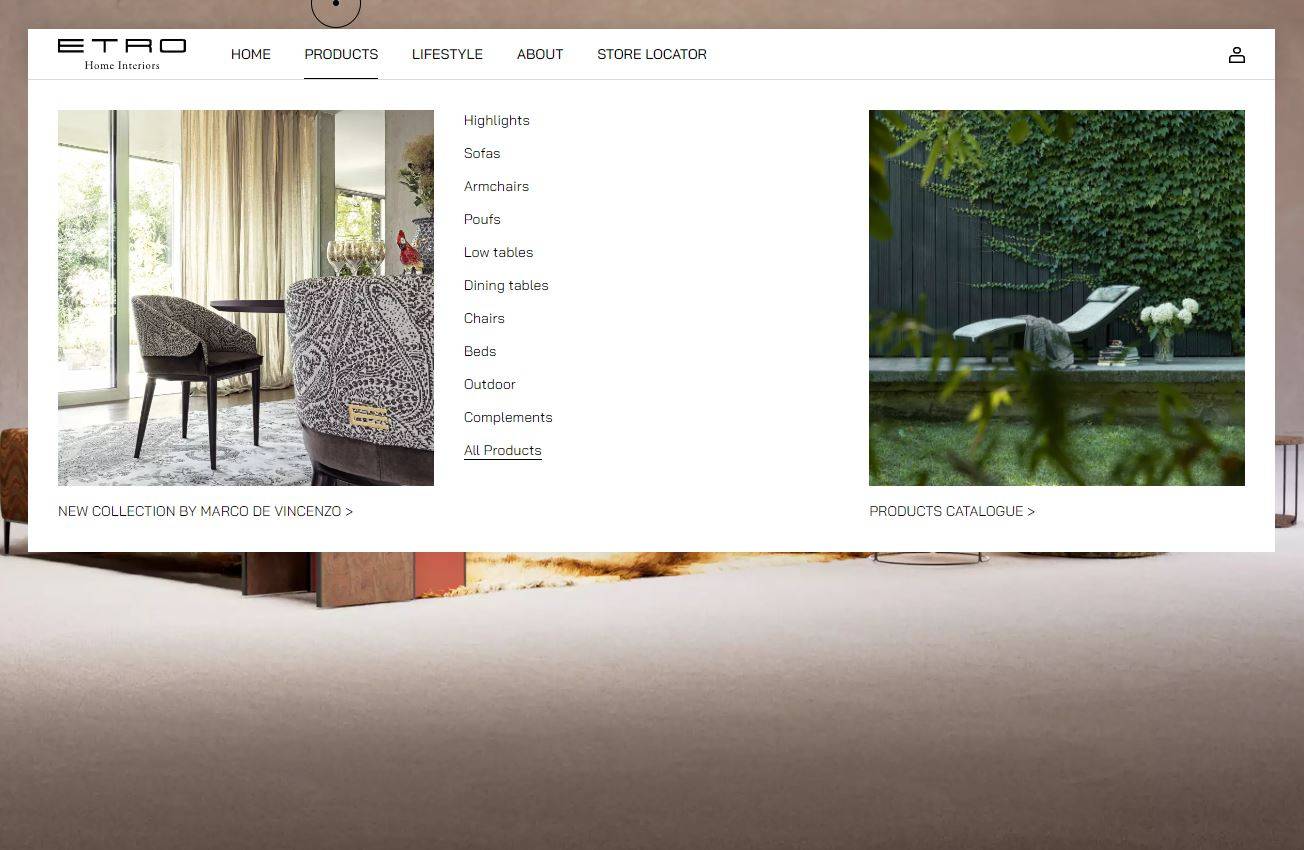
The website’s role in a project of this kind is to make that transition credible. Visitors arrive with a precise image of the brand in mind and must recognise it in the homeware without the whole endeavour appearing to be a commercial extension of the brand name. It is a subtle yet decisive difference, and it hinges on the consistency between the visual language, the rhythm of navigation and the photographic presentation of the products.
For this reason, the project entrusted to our agency focused on tone rather than structure, creating a framework in which the product images have the weight and format they would have in a fashion editorial, rather than that of a technical specification sheet. The decision to publish the website entirely in English follows the same logic: it is the language in which the brand communicates with its international audience.
In terms of content, the catalogue covers the entire home, from the living area to the bedroom, right through to outdoor furnishings and lighting; this breadth signals the intention to offer a complete lifestyle system rather than simply a range of designer accessories. The project forms part of the Oniro Group’s ecosystem, which guarantees its production capacity.
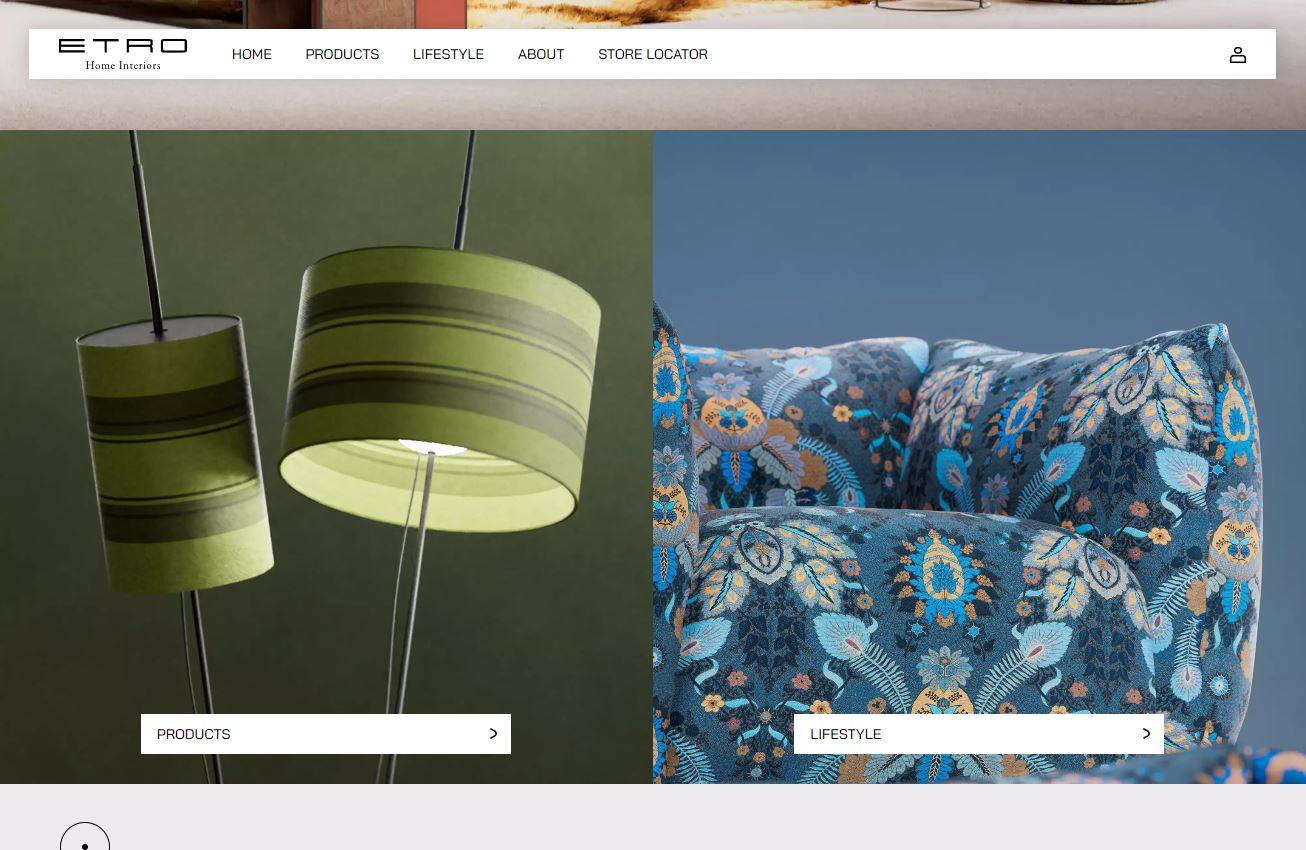
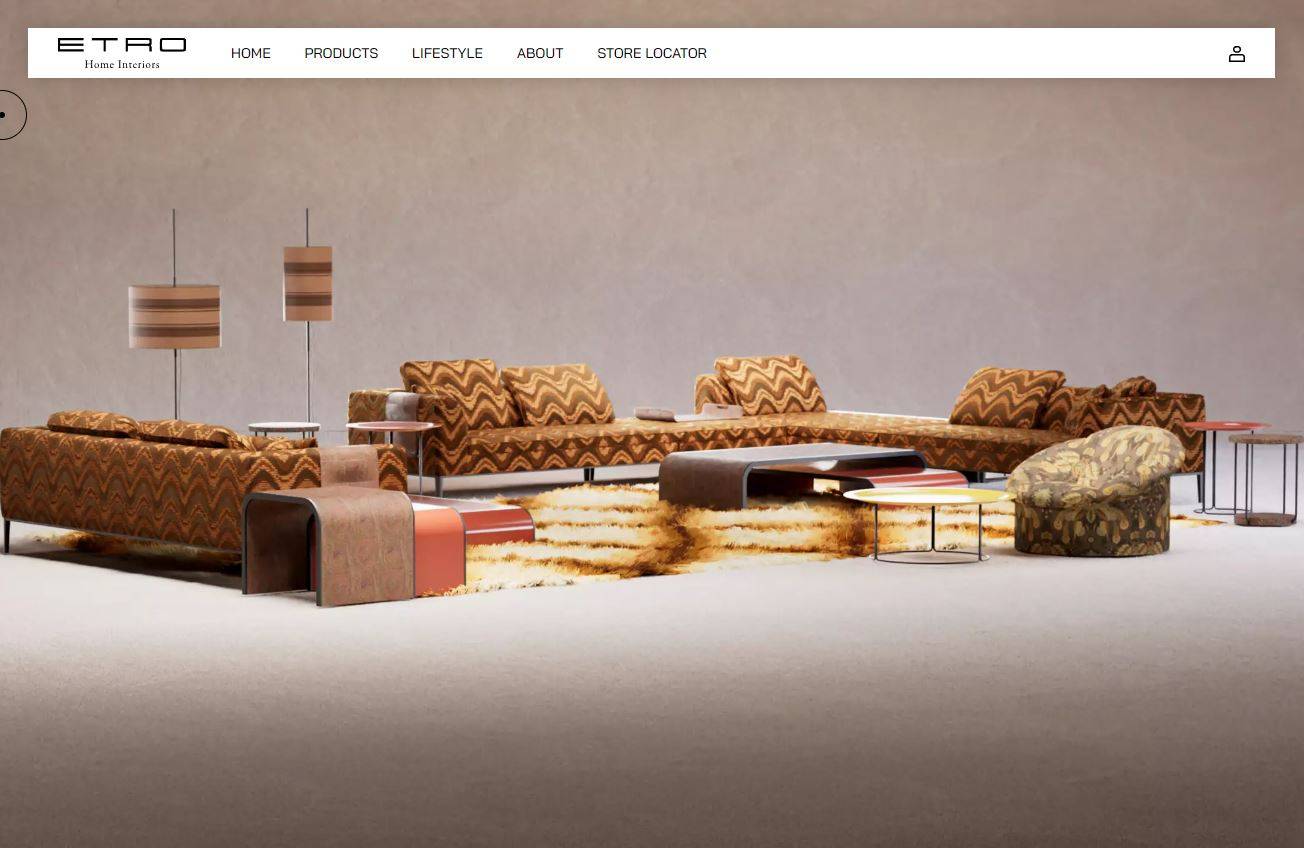
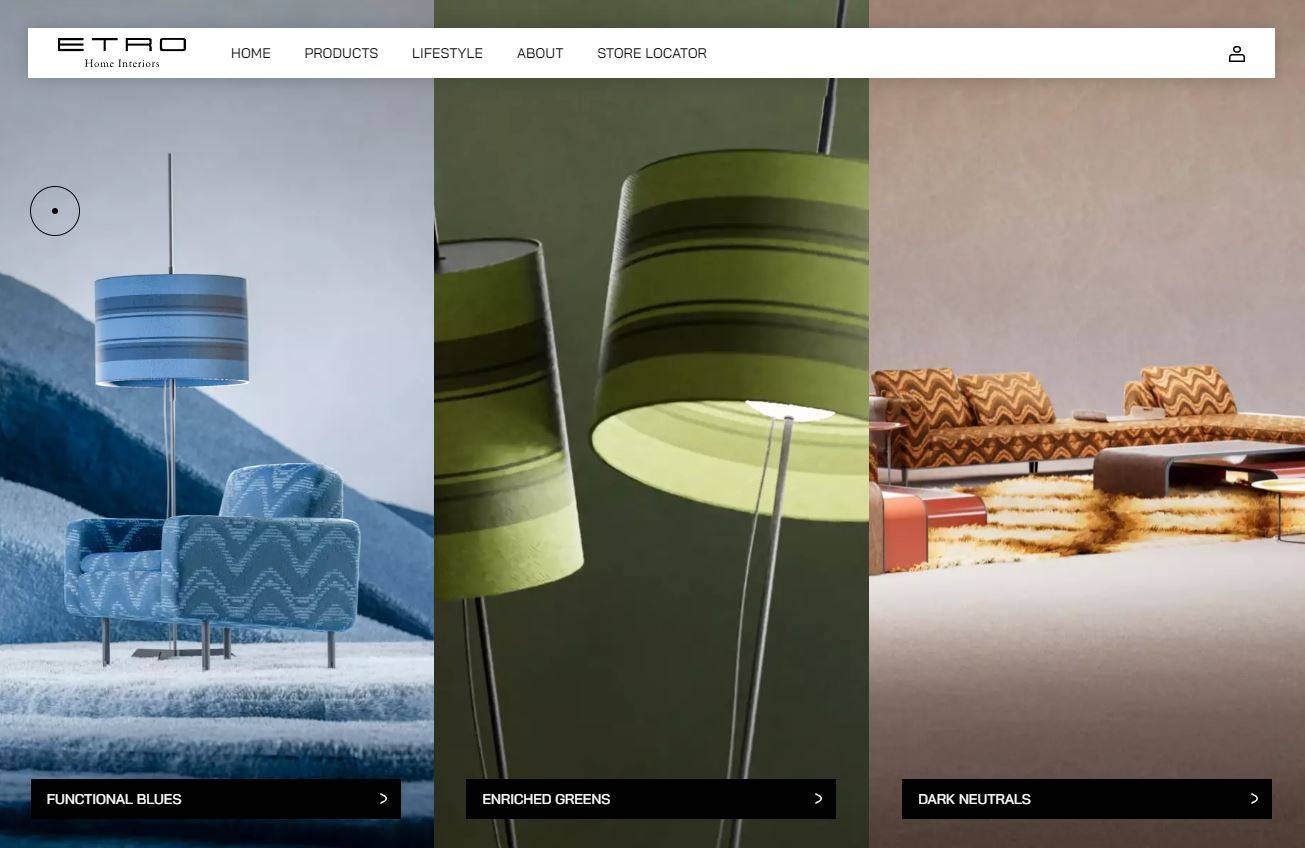
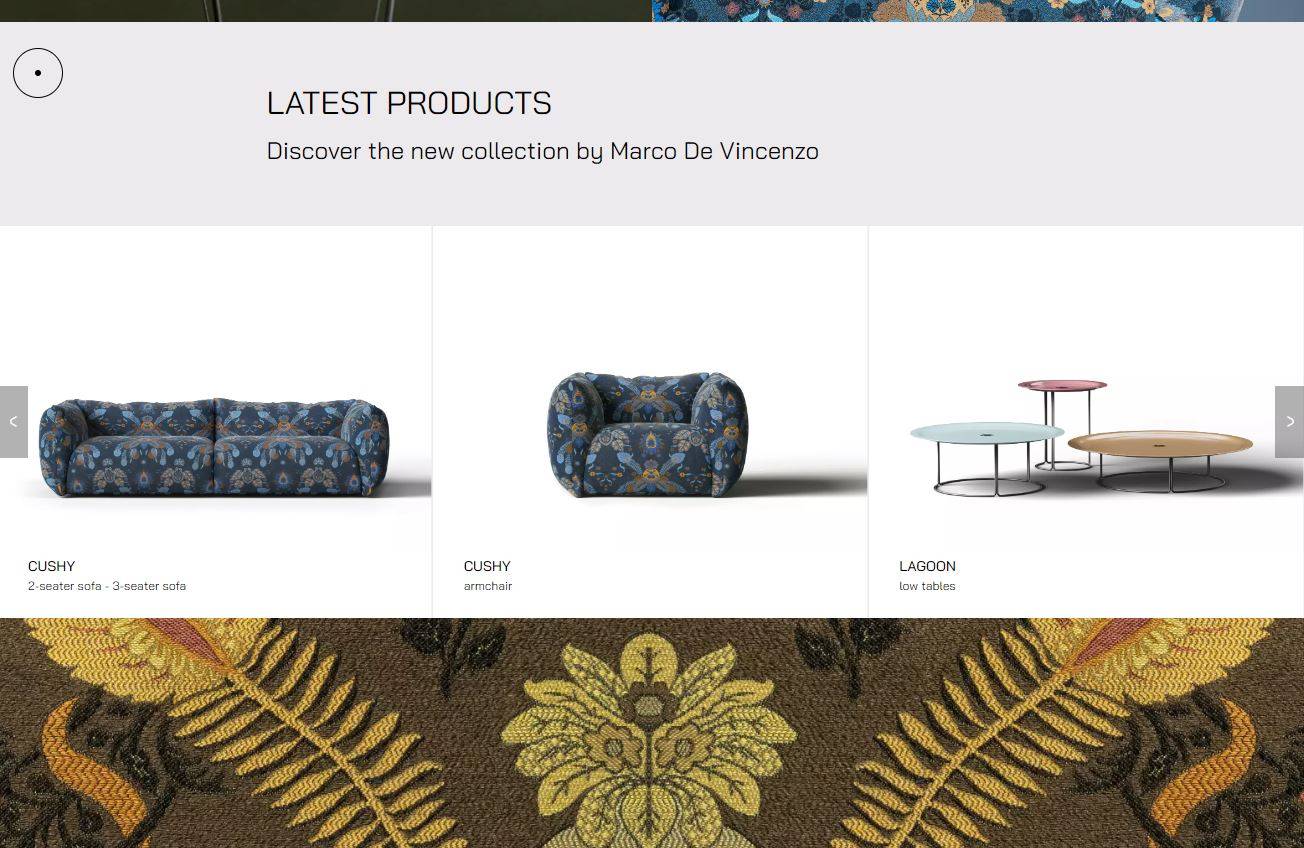
A licence must be substantiated, not merely declared
When a fashion brand ventures into interior design, the public approaches it with a preconceived image and a legitimate suspicion: that it is a commercial extension of the brand name rather than a genuine project. The website is the first place where this doubt is either confirmed or dispelled.
That is why we focused on the tone rather than the structure, giving the images the weight and format of a fashion editorial rather than a product listing. These are choices that cannot be explained by a list of features, but which determine whether a licensed collection is perceived as authentic. We’re based in Cantù, in the district where these collections are produced.
NewVisibility was founded in 2013 by Andrea and Luca, lifelong friends who had already been building websites for several years before giving themselves a name. Since then, we’ve worked with over three hundred clients. We’re a team on a human scale: you speak directly to the people working on your project, with no middlemen, even after launch.
Read our manifesto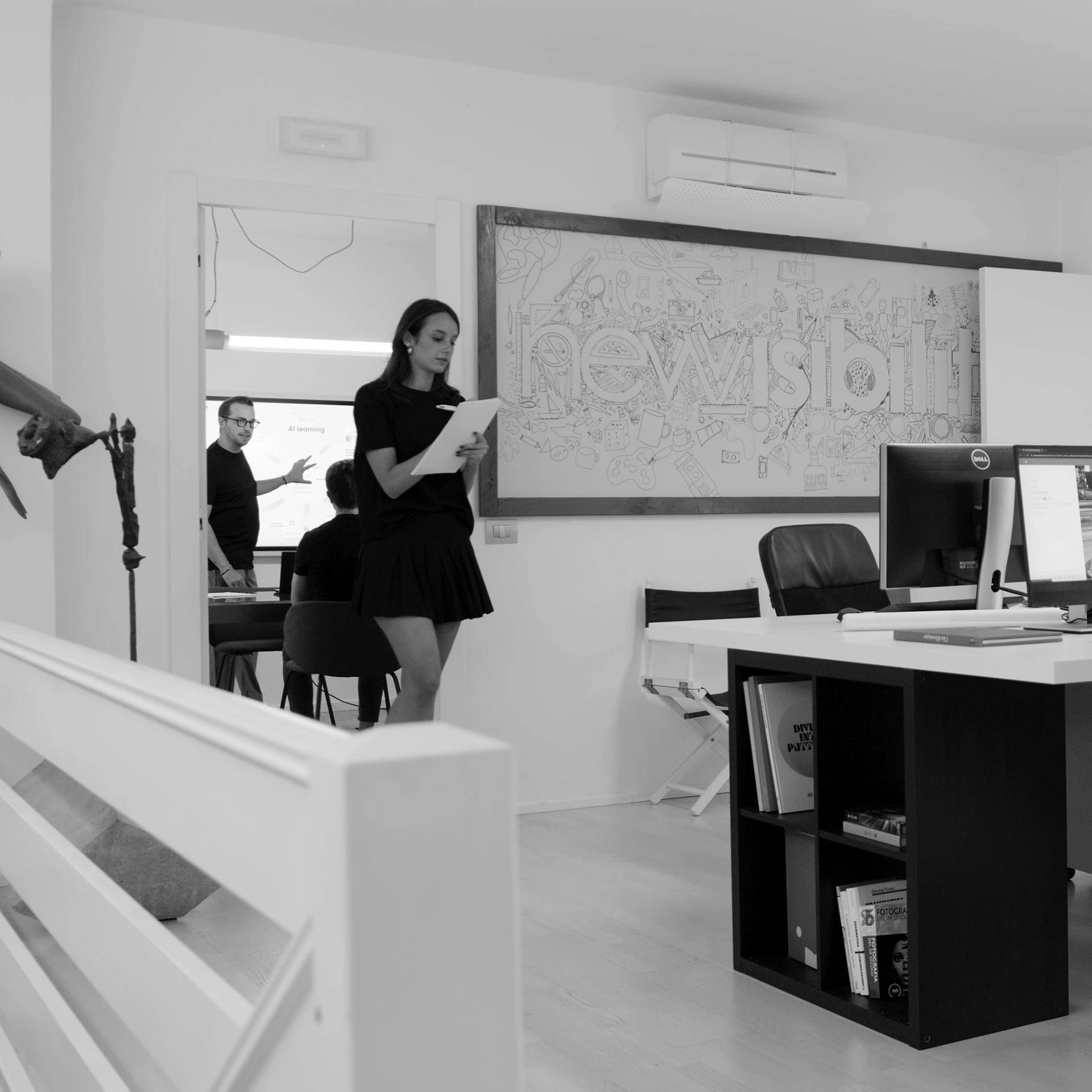
NewVisibility, a web development agency in the province of Como, which handled the visual register, structure and development of the collection's website.
That a furniture company produces and distributes a collection using the name and stylistic codes of a fashion house, under a licence agreement.
Translating codes created for the wardrobe into the language of the home. The public already knows the brand and must recognise it, without perceiving a purely commercial operation.
Because a fashion house's audience is used to that register. Presenting the products as technical sheets would betray the expectations with which visitors arrive on the website.
Because it is the language in which the fashion house communicates with its international audience. A stand-alone Italian version would break the consistency of the positioning.
Because it signals the intention to offer a complete system for the home rather than a line of designer accessories, which is the difference between a real project and a marketing operation.
Yes. We are based in the district where these collections are created, and we work on several projects at the crossroads of fashion and furniture.