
How do you get website requests directly into the ERP?

Requests

From the website form to the management system

To get website requests into the ERP, the online form sends data to the management system through APIs: the quote, order or enquiry appears already entered, with nobody having to copy and paste.

Every request has its own path, decided together with whoever handles it in your company.

A quote can become an offer, an order request a document to confirm. We define which fields are needed, which checks to run before sending and who receives the notification, so your sales office works straight away on complete data. Our team in Cantù, in the province of Como, works closely with the office that handles the requests.
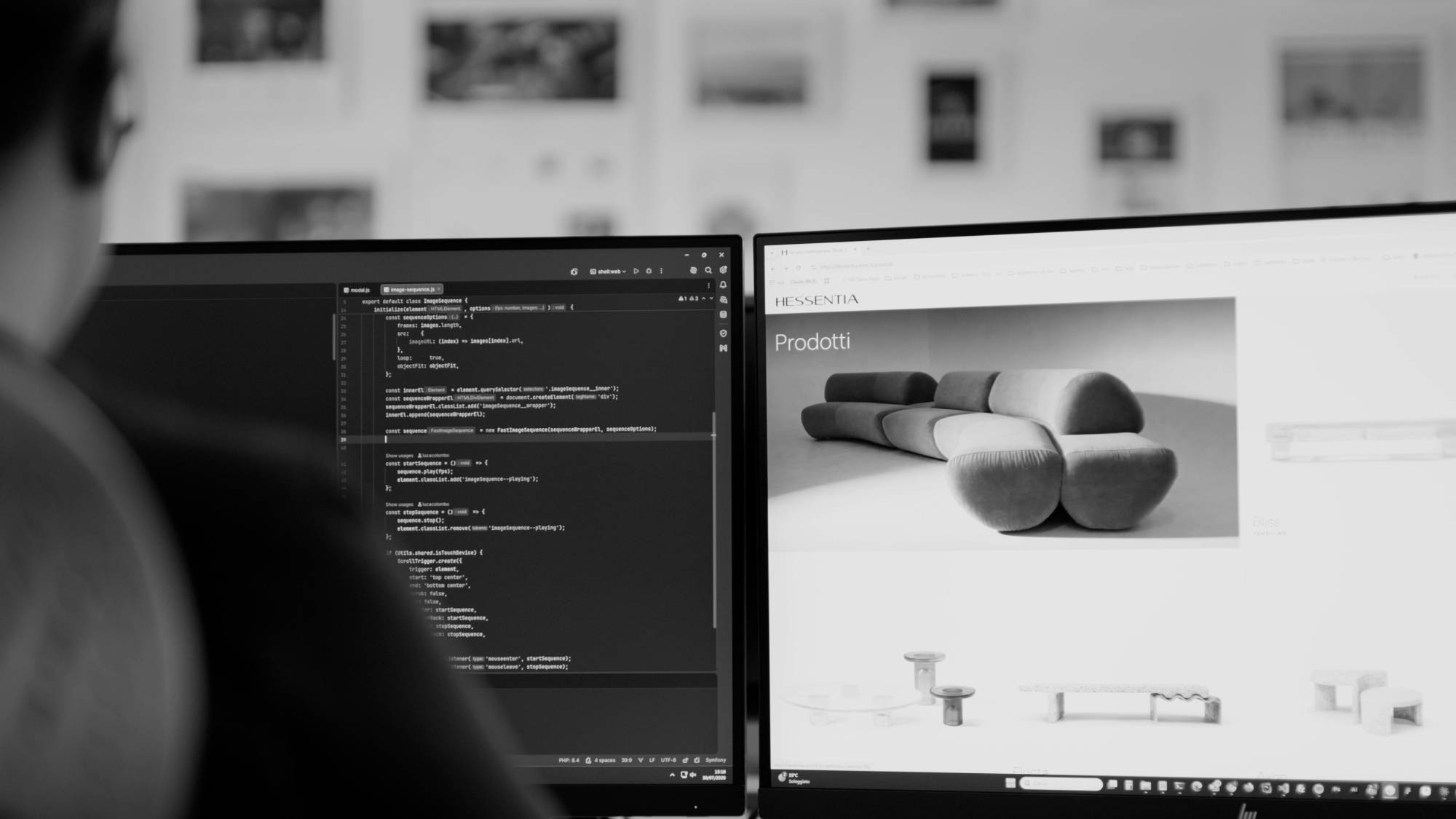
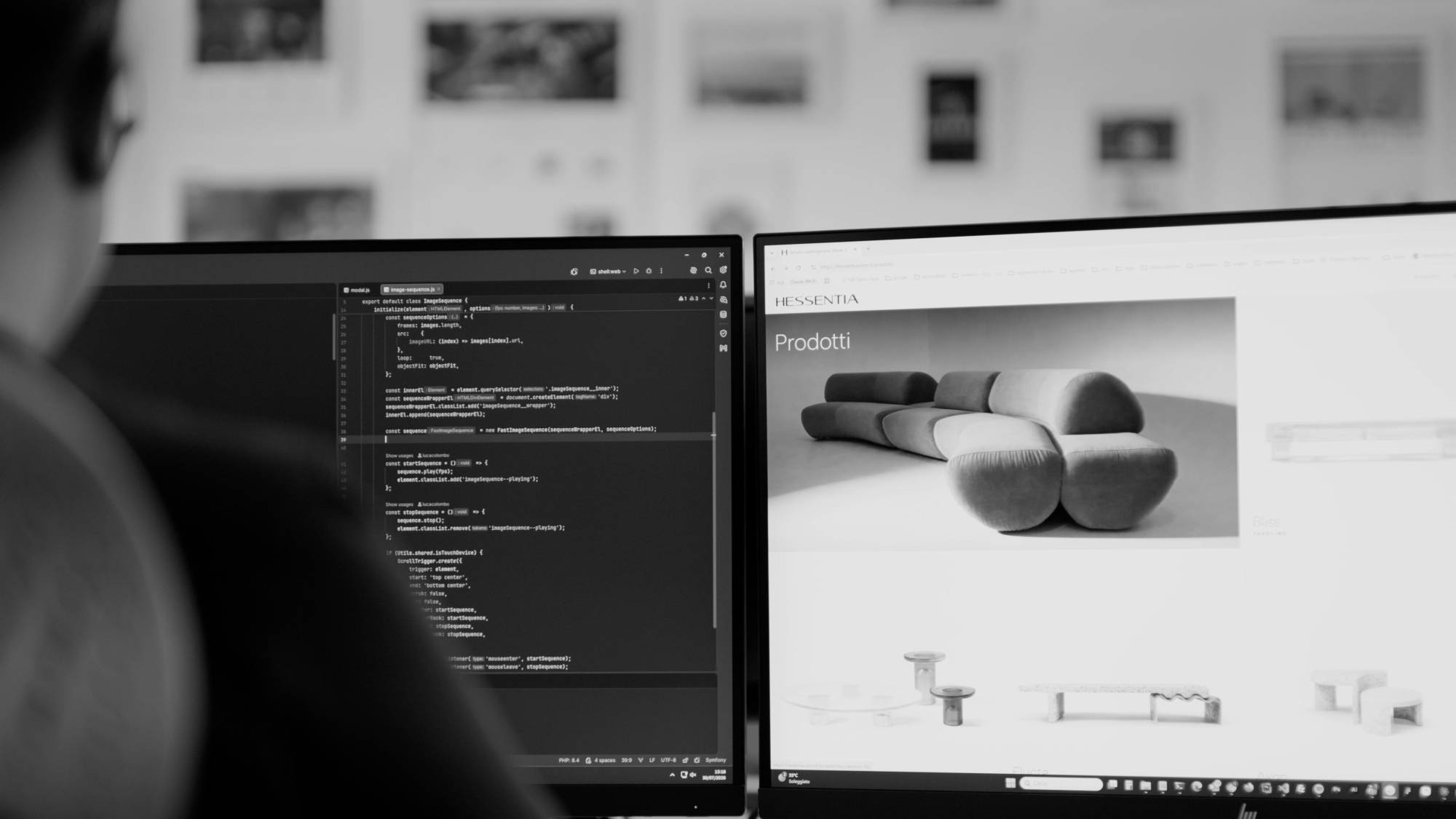

The flow

Three steps with no manual entry

The typical path of a request from the website. For sales contacts it can also go into the CRM, see Integration with ERP, CRM, PIM.

new-visibility-agenzia-comunicazione-marketing-digitale-cantu-provincia-como-sviluppo-web
new-visibility-agenzia-comunicazione-marketing-digitale-cantu-provincia-como-web
new-visibility-agenzia-comunicazione-marketing-digitale-cantu-provincia-como-sviluppo-web

Want to connect your website forms to your management system?

Tell us how you handle requests today: we start from there, for companies in Como, Brianza, Milan and Lugano.

Services of interest

To align customer records and product codes between ERP and web, you choose a unique identifier, usually the management system code, used as the key in every exchange. Each update changes the same record, with no duplicates. We handle it from Cantù, for companies in Como and Brianza.

The management system does not have to be in the cloud to connect it to your website. Even an ERP installed on company premises, in Como, Brianza or Milan, can communicate securely through a protected connection point agreed with whoever manages your network. The technical setup changes, not the feasibility.

To integrate an ERP without APIs you use alternative routes: periodic file exchange, controlled reading of the database or an intermediate layer that translates the data. Each solution has pros and cons and must be chosen after analysing the software, which our team in Cantù does case by case.

The difference between PIM and ERP lies in their purpose: the ERP is the management system that governs administration, orders, warehouse and invoicing, while the PIM looks after product texts, attributes, images and sheets. They do not replace each other: connected to your website they complement each other, and our team in Cantù makes them work together.

Integration middleware is intermediate software that collects data from the different systems, translates it into a common format and routes it where it is needed. Each system talks to a single central point, which is easier to control: we design it in Cantù for companies in Como and Brianza.

Login reserved area

Register to access sections and restricted site content. Your user will be enabled within 48/72 hours.

Login registered user

New user?

Create an account in order to access the reserved contents.